Click here to see our March 2019 Newsletter https://conta.cc/2EDKB2E
Help preserve the history of the islands.
Click here to see our March 2019 Newsletter https://conta.cc/2EDKB2E
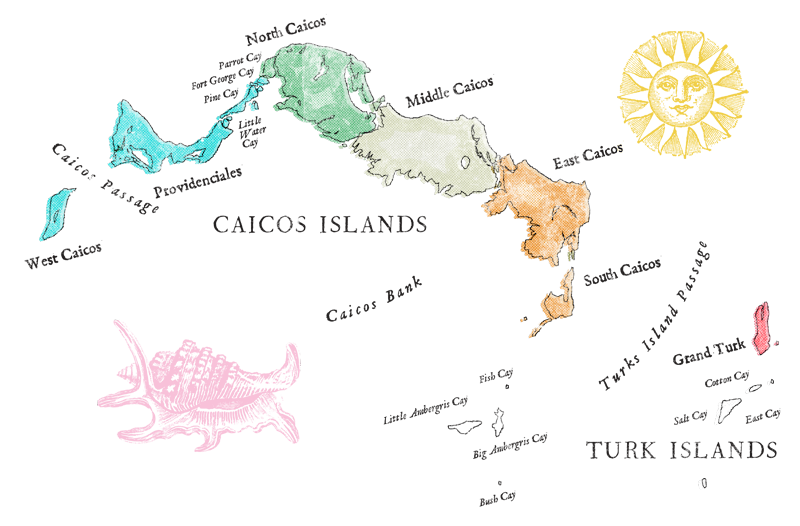
RED was chosen to represent the nation’s capital, Grand Turk. The color is taken from the red/pink fruit found on the national plant, the Turks Head Cactus. They were once found in abundance on Grand Turk before they were removed to accommodate the salt ponds.
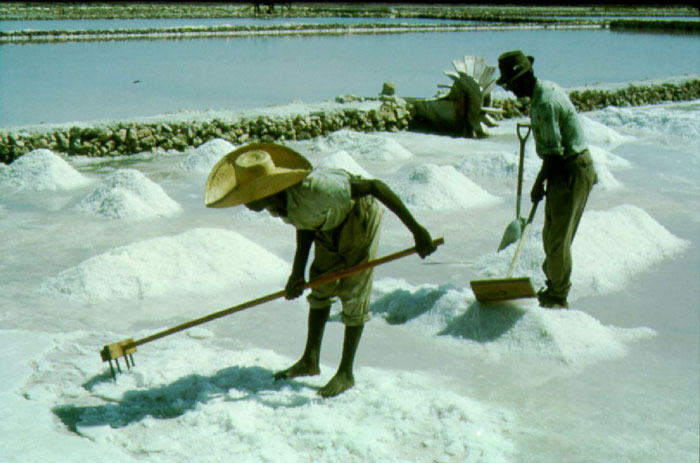
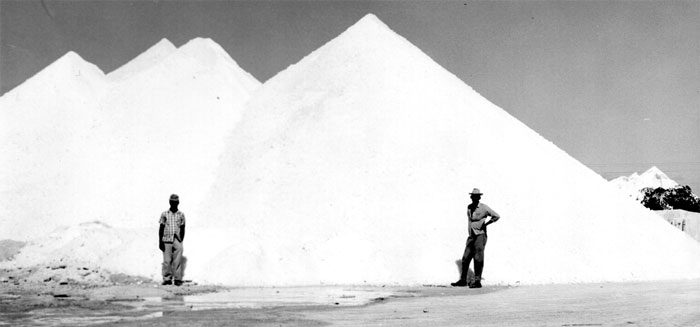
WHITE was chosen to represent Salt Cay. The color came from salt. The salt industry was largely responsible for populating the islands of Salt Cay, Grand Turk and South Caicos.
ORANGE was chosen to represent South and East Caicos. The color comes from the Spiny Lobster and fish and reflects the fishing industry in the “Big South.”
TAN was chosen to represent Middle Caicos. The color is taken from the raw material (thatch) that once covered the roofs of the houses. It is also used to make straw hats, baskets and brooms. Middle Caicos is known for the superior quality of native craftwork.
GREEN was chosen to represent North Caicos and Parrot Cay. The color is taken from the fruit trees and other types of trees that flourish in the most fertile of all the islands. North Caicos is also home of Wade’s Green Plantation, the most successful of Caicos Islands cotton plantations.
TURQUOISE was chosen to represent the islands of Providenciales, Pine Cay and West Caicos. The color is taken from the beautiful turquoise waters that surround these islands on which our famous Caicos fishing sloops sail. These turquoise waters also contribute to our newest industry, tourism.
PINK was chosen to represent the beautiful conch shell, flamingoes and the numerous uninhabited cays that make up our chain of islands.
YELLOW represents God’s glory as the sun shining down on all our beautiful islands and cays. The sun also contributes to our newest industry, tourism.

View a timeline of important events and dates in the history of the islands
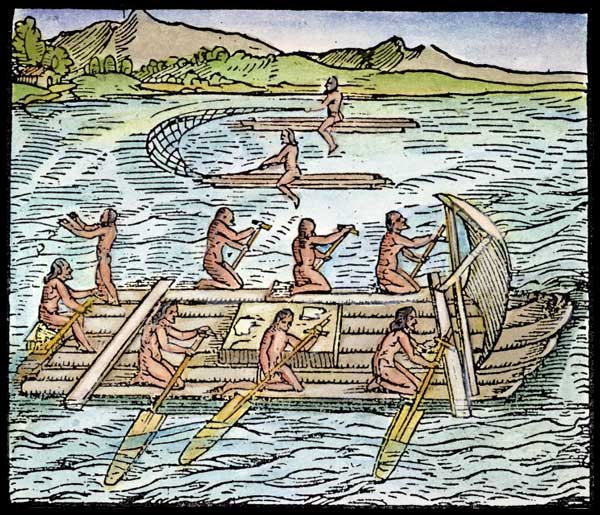
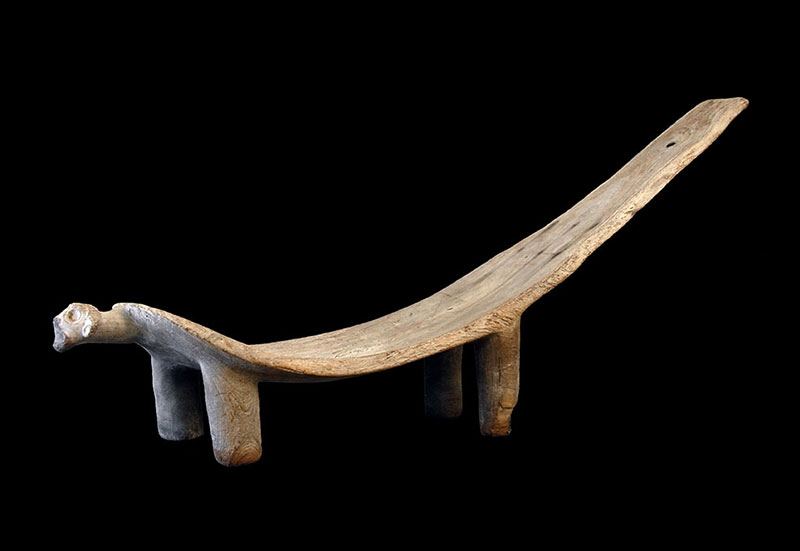
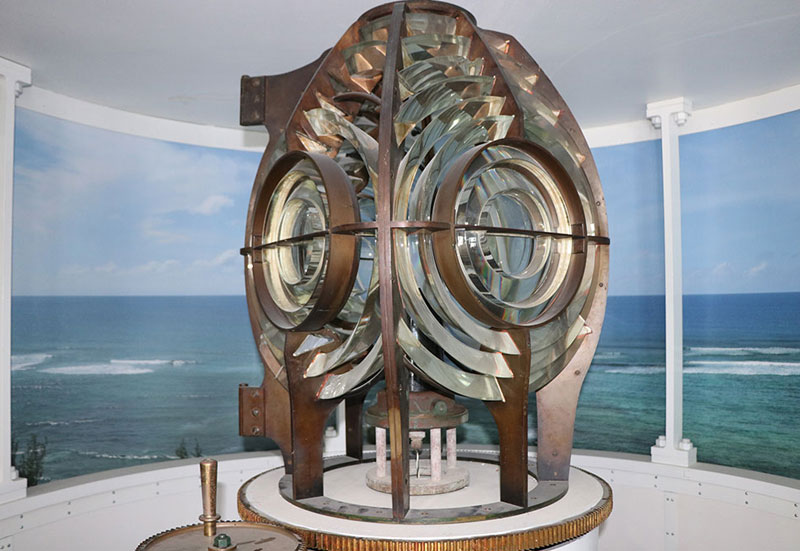
Photo courtesy of Joanna Ostapkowicz. The Duho is one of the rarest artifacts in the museum’s collections. It was used a ceremonial seat for the cacique or chief of the Lucayans, the first inhabitants of these islands.

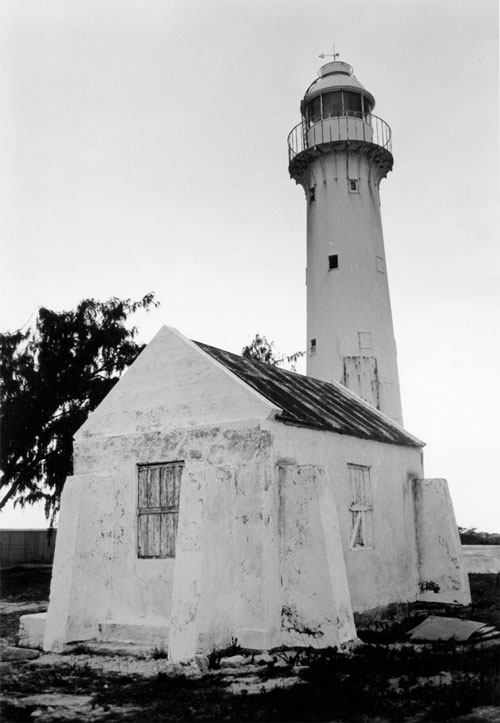
The Grand Turk Lighthouse was erected in 1852 and was originally designed to burn whale oil and had an Argand reflector lamp. In 1943 the lighthouse was converted to a Fresnel Lens one of these lenses is now on display at the Museum.

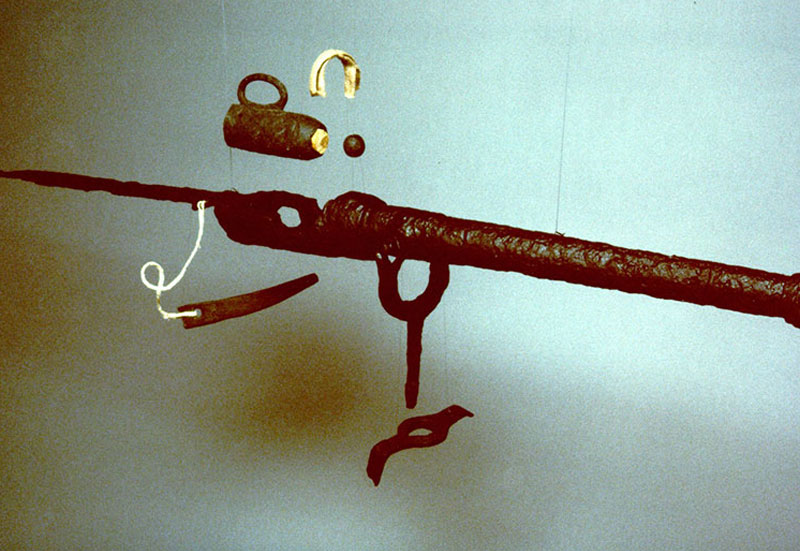
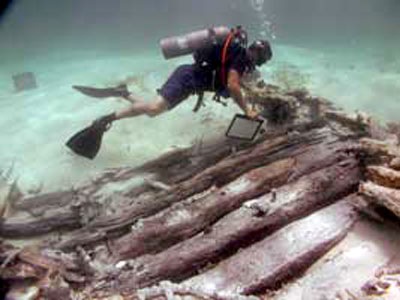
The Molasses reef wreck, an early Spanish Caravel was equipped with three types of breech-loading swivel guns, one type is shown above. The swivel guns are thought to be anti-personnel weapons placed wherever convenient along the ship’s rail.

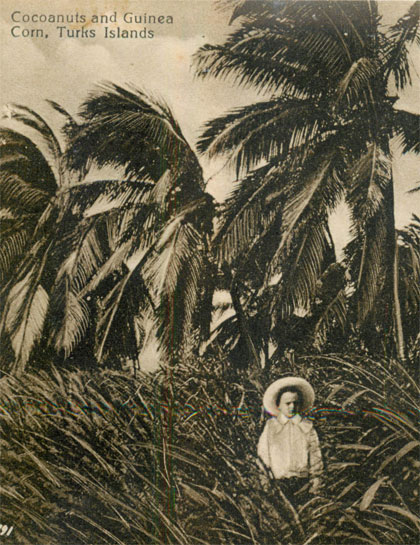
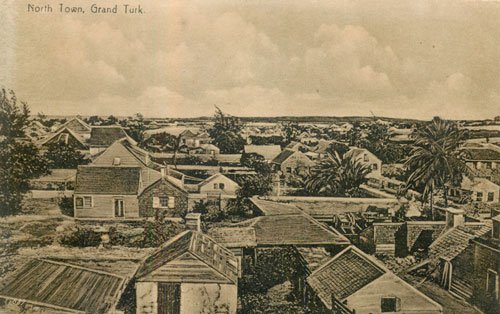
The museum has diverse collection of early postcards of the Turks and Caicos Islands. Most post cards depict scenes on Grand Turk, the capital and from the salt industry.


Nestled in the heart of Grand Turk, the Turks and Caicos Islands National Museum stands as a guardian of the rich history of the Turks and Caicos Islands and its vibrant culture. Housed in the historic "Guinep Lodge," a 200-year-old architectural gem, the museum invites all to embark on a journey through time, exploring the deep and diverse heritage of our nation.
From the ancient era of pre-Columbian civilization to modern-day milestones, the museum’s curated collection offers significant insight into the stories, traditions and legacies that have shaped the Turks and Caicos Islands. With admirable dedication, the museum serves as a custodian of these narratives, preserving invaluable artefacts that chronicle the experiences and contributions of its ancestors. Through its exhibits, the past comes alive, providing a unique cultural tapestry of the Turks and Caicos Islands.
Beyond its role as a preserver of history, the museum is a vital hub of education and community engagement inspiring pride in our historical roots. The museum is more than a keeper of the past; it is an active participant in shaping the future of our islands. I encourage residents and visitors to experience the Turks and Caicos Islands National Museum.
Your support not only helps safeguard the heritage of the Turks and Caicos Islands but enriches collective understanding of the extraordinary journey that has shaped these beautiful by nature islands.

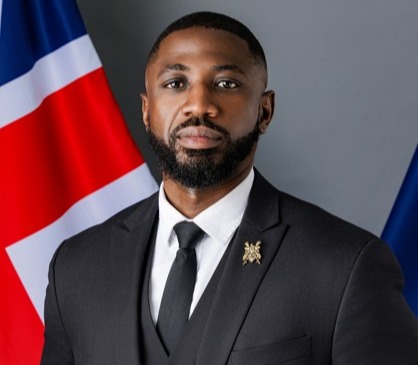
It is my pleasure, as Minister of Tourism, Agriculture, Fisheries and the Environment, to welcome you to the Turks and Caicos Islands National Museum website.
The National Museum plays a vital role in preserving and sharing the story of our islands and our people. Through its collections, exhibits, research, and educational programmes, it safeguards the history, traditions, achievements, and experiences that have shaped the Turks and Caicos Islands over generations.
A country that preserves its history preserves its identity. The Museum serves as a bridge between our past and our future, ensuring that residents and visitors alike can better understand the unique heritage, culture, and character that define us as a people.
As we continue to strengthen and diversify our tourism product, institutions such as the National Museum remain essential. They provide authentic experiences, deepen our appreciation of who we are, and help tell the story of the Turks and Caicos Islands in a meaningful and lasting way.
I encourage everyone to visit, explore, and support the National Museum as it continues its important work of preserving our heritage and inspiring future generations.
![]()
![]()