Shipwrecks in the Turks & Caicos Islands
One estimate is that there are over 1000 shipwrecks in the waters of the Turks and Caicos Islands.
What we know about most of them are cryptic mentions in obscure records, details in shipping records, records taken at the time of Hurricanes, and so on.
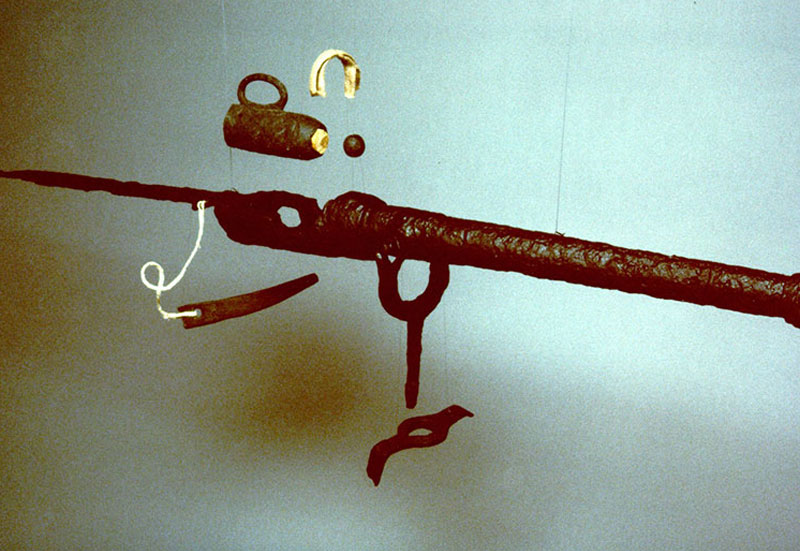
Only two shipwrecks in the waters of the Turks and Caicos Islands have been properly recorded. These are the Molasses Reef Shipwreck and HMS Endymion.
So what about the rest of the wrecks?
The Turks and Caicos Islands Government, along with the Department of Environment and Coastal Resources, The National Trust and the National Museum are given the task to protect the wrecks and to prohibit any work that will ruin or corrupt the site and that would limit the potential scientific recovery of the information from the wrecks at a later date.
Are there any Treasure Ships?
Yes, but not in the commonly held sense. The Museum sees all wrecks as “treasure” ships but the treasure is not gold or silver: it does not have a financial value. What we see as treasure is the information that we can retrieve from the wreck, and in most cases, through historical document research and limited survey we gain this information.
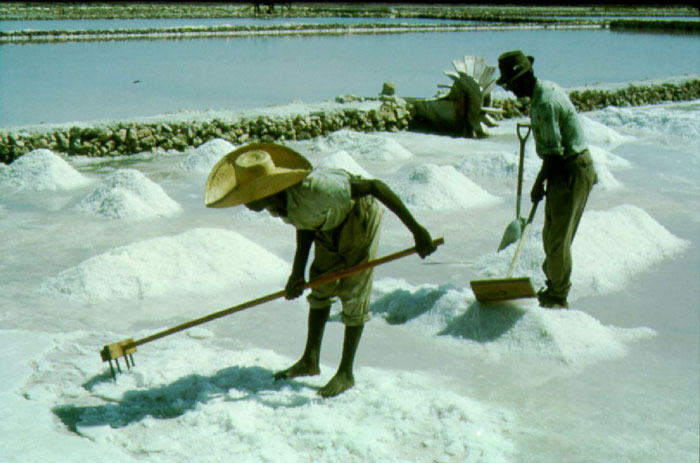
We must add here that there are few true “treasure ships”. In most cases hunts for these ships are fruitless and expensive. The Museum along with many international organisations believes that searching for “treasure ships” takes away from the real search – that of recovering information. A ship that sank whilst trading salt is just as important as a ship carrying gold!
So why are we not bringing up these wrecks?
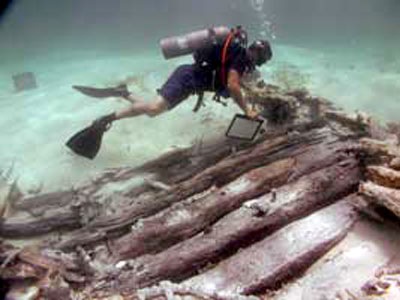
The most important part of protecting the wrecks is the presevation of the objects that hold the data. If the items are brought out of the sea they will begin to corrode very quickly. A cannon for example that undergoes no conservation will become a pile of rust in only a few years. This consservation is expensive, not only in money but also time. If there is insufficient funds to recover and conserve the artifacts after the wreck has been located then the recovery of the objects must wait, as the items are better preserved being left in situ on the sea bed.
We are also concerned that some of the wrecks are of ships that sank with loss of life. These wrecks are therefore “tombs” to those sailors, and should not be disturbed indiscriminatly.
There is also a variety of international legislations that dictate a code of ethics for the proper retrieval of artifacts from under the sea. The most recent is the International Convention on the Protection of the Underwater Cultural Heritage produced by UNESCO and this cearly states that where ever possible shipwrecks must be left in situ, with no or little disturbance.
For More information on specific wrecks visit the pages for:
Rhone
HMS Endymion